Graphic signs and signages play a vital role in shaping how people experience and understand a space. They provide structure, direction, and reassurance, especially in environments where movement and decision-making happen quickly. Without clear visual guidance, even well-designed spaces can feel confusing and overwhelming.
One of the most important purposes of signage is reducing uncertainty. When people enter an unfamiliar environment, they instinctively look for visual cues that confirm where they are and where to go next. Clear entry signs, directories, and directional markers work together to create confidence. These elements are often planned as part of broader spatial visual systems that prioritize user comfort and clarity.
Effective signage relies heavily on simplicity. Messages must be concise and instantly recognizable. Long explanations or cluttered designs slow down comprehension and create hesitation. By limiting text and emphasizing essential information, designers ensure that signs communicate quickly and efficiently. This is especially important in public areas where users may be distracted or in a hurry.
Alignment and spacing also influence how signs are read. Proper margins, balanced layouts, and adequate white space improve readability and reduce visual fatigue. When information is well-organized, users can scan content effortlessly rather than stopping to interpret it. This smooth interaction supports continuous movement and improves overall flow.
Directional graphics are particularly critical in guiding people through complex environments. Arrows, destination names, and distance indicators help users make decisions without second-guessing themselves. When directions are consistent and logically sequenced, navigation feels intuitive. This process is strongly supported by directional signage planning that anticipates user needs at every turn.
Color consistency plays a key role in reinforcing understanding. When similar types of information share the same color palette, users learn to recognize patterns. For example, orientation signs may follow one color scheme while safety-related graphics use another. Over time, these visual cues become second nature, reducing the need for conscious interpretation.
Typography must also be chosen with care. Fonts should be legible from a distance and remain clear under varying lighting conditions. Decorative fonts may look appealing but often sacrifice clarity. Simple, clean typefaces ensure that messages are readable for people of all ages and visual abilities.
Symbols and icons help signage reach a broader audience. Universally recognized pictograms allow users to understand instructions regardless of language. These visual elements are especially valuable in diverse environments where text alone may create barriers. Consistent icon usage strengthens recognition and contributes to universal wayfinding graphics.
Placement decisions determine whether signage succeeds or fails. Signs must appear where users naturally pause or seek information, such as entrances, intersections, and transition points. Poor placement can cause users to miss critical information, even if the design itself is strong. Strategic positioning ensures that signs are noticed at the right moment.
Durability and maintenance are essential for long-term effectiveness. Signs exposed to weather, sunlight, or heavy use must retain their clarity over time. Faded colors, damaged surfaces, or outdated information can undermine trust and create confusion. Regular upkeep preserves both functionality and visual credibility.
Digital signage introduces flexibility, allowing information to change as needs evolve. However, digital displays must be used thoughtfully. Too much motion or excessive content can distract rather than guide. Clear layouts and controlled transitions help digital signs support, rather than replace, traditional graphic systems.
Ultimately, graphic signs and signages enhance spatial experience by offering reassurance and clarity. They quietly guide movement, support decision-making, and create a sense of order. When visual direction is carefully planned and consistently applied, spaces feel more accessible, welcoming, and easy to navigate.

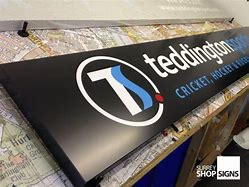 Regardless of your business niche, you can use vinyl signs to advertise your products and services. A Columbia vinyl banner can last for years outdoors and can withstand all types of weather. You can place your vinyl sign anywhere from the storefront to the poles on the street. The options are endless when you design your vinyl banner. If you don’t have time to design your own vinyl banner, you can use an online design tool. In addition to vinyl banners, you can also use a vinyl sign to promote a new product or service.

 Display signage within your shopfront or on public roads and highways is very useful in drawing the attention of passersby. In order to maximize the visibility of your business name and logo, external signs are designed in a wide variety of sizes and materials to meet any end-user’s need for clarity, contrast and modern appeal. Exterior signage is useful for branding, identifying your company name and logo, promoting special offers and seasonal promotions, encouraging customer loyalty and encouraging client participation.
 You must check out for various qualities of designers and then hire the one who suits your business requirement and pays heed to all your requirements. You should get the services of a professional sign company to design the business signage. A good sign company can help to promote your business in a unique way.